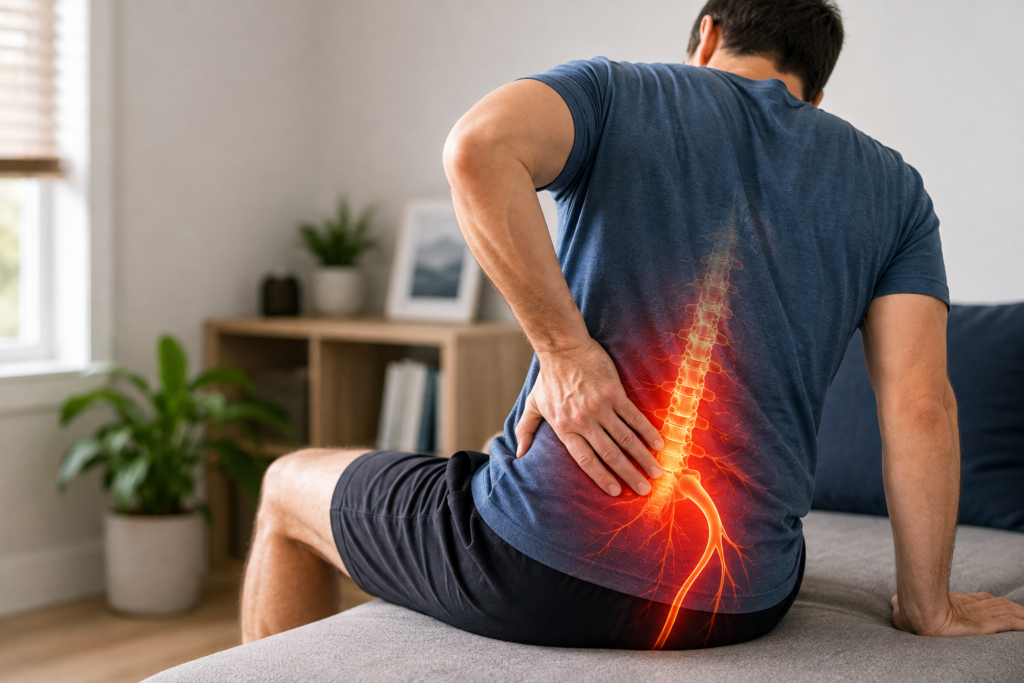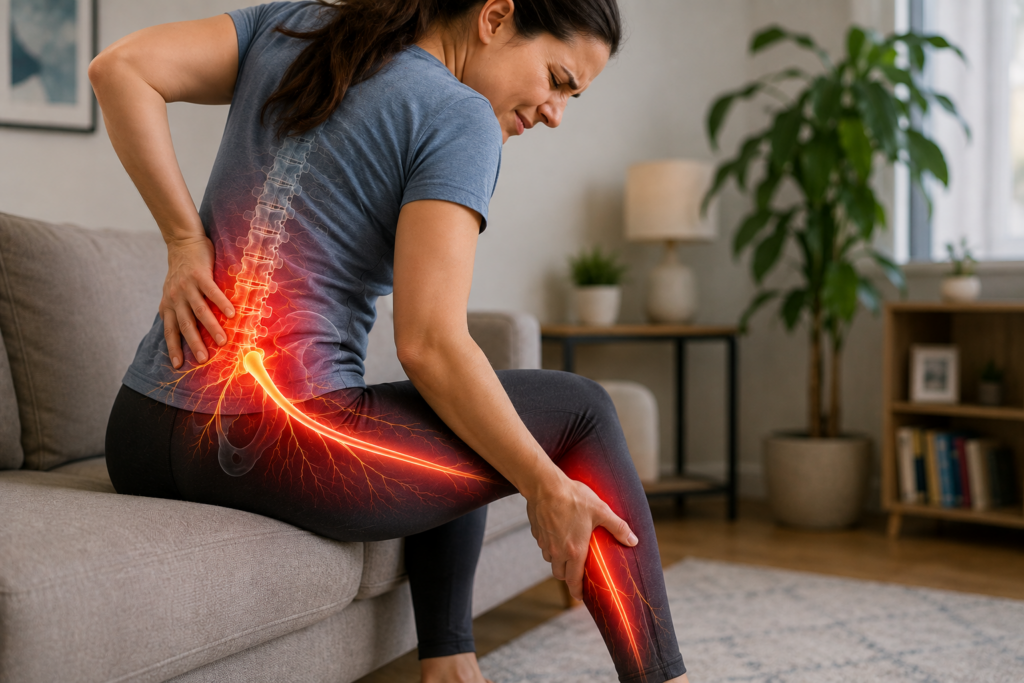
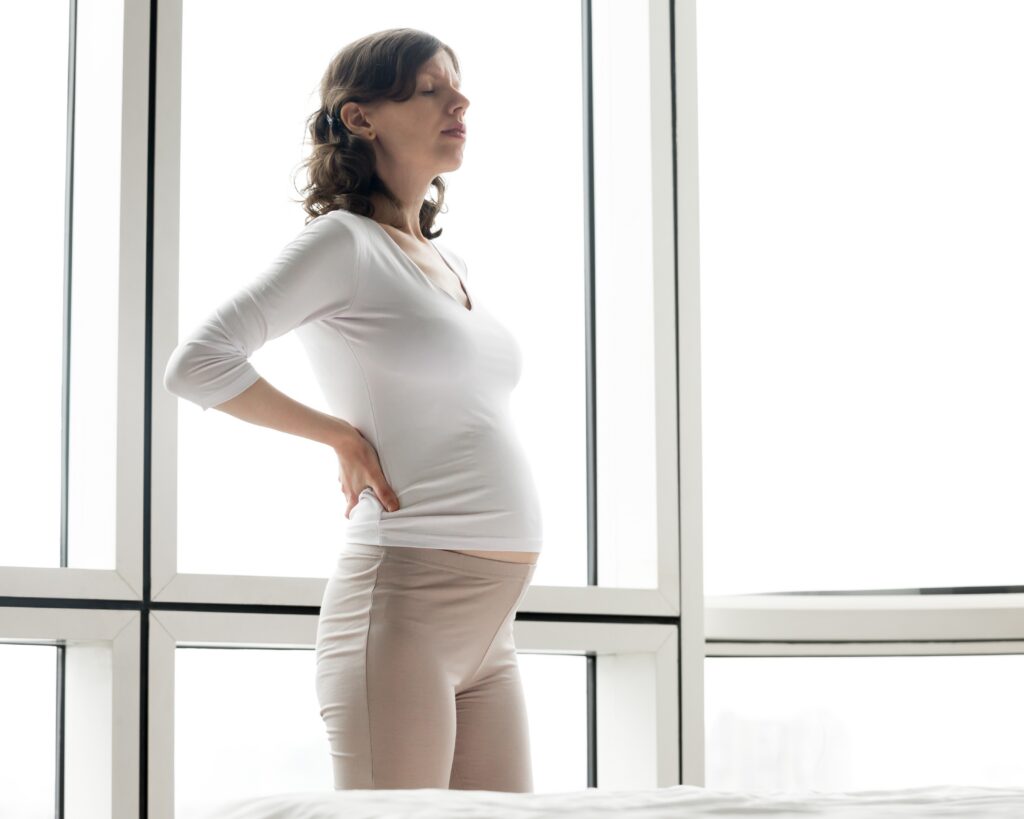

Pregnancy is an incredible journey, but it can also come with unexpected physical challenges. One of the most common complaints from expecting mothers is sciatic nerve pain, often called sciatica in pregnancy. If you’re experiencing sharp, shooting pain that radiates from your lower back down through your buttocks and leg, you’re not alone. Many pregnant women in Boston and beyond deal with this frustrating condition, especially during the second and third trimesters. The good news? There are safe, gentle approaches to finding relief—and chiropractic care designed specifically for pregnancy can make a meaningful difference in how you feel during this special time. Here at Charles Street Family Chiropractic, we have been taking care of pregnant Boston moms for decades and have seen firsthand the benefits of chiropractic care during and after pregnancy.
What is sciatica in pregnancy? Sciatica during pregnancy refers to irritation or compression of the sciatic nerve—the longest nerve in your body—which runs from your lower back through your hips, buttocks, and down each leg. When pressure builds on this nerve during pregnancy, it can cause pain, tingling, numbness, or weakness that makes everyday activities uncomfortable.
Table of Contents
- Understanding Sciatica During Pregnancy
- Why Pregnancy Triggers Sciatic Nerve Pain
- Recognizing the Signs and Symptoms
- How Chiropractic Care Supports Expecting Mothers
- Practical Tips for Managing Sciatica at Home
- When to Seek Professional Care
- Treatment Approaches Comparison
- Myths vs. Facts About Pregnancy Sciatica
- Final Thoughts from Charles Street Family Chiropractic
Understanding Sciatica During Pregnancy
The sciatic nerve is about as thick as your thumb and branches from your lower spine through your pelvis and down both legs. When this nerve becomes irritated or compressed, it sends pain signals that can range from a dull ache to sharp, electric-like jolts. During pregnancy, your body goes through remarkable changes to accommodate your growing baby, and these changes can put extra pressure on the sciatic nerve.
It’s important to understand that true sciatica involves actual nerve compression or irritation. However, many pregnant women experience what feels like sciatica but may actually be related to muscle tension, ligament strain, or pelvic joint dysfunction. Regardless of the exact source, the pain is real and deserves proper attention and care.
Research suggests that somewhere between 50-80% of pregnant women experience some form of back pain during pregnancy, and a significant portion of those cases involve sciatic-type symptoms. The discomfort typically appears during the second or third trimester as your baby grows and your body adapts to the changing weight distribution and postural demands.
Why Pregnancy Triggers Sciatic Nerve Pain
Your body is designed to change during pregnancy, but those changes can sometimes create the perfect conditions for sciatic nerve irritation. Understanding the underlying causes can help you take proactive steps toward relief.
Weight Gain and Postural Shifts
As your baby grows, your center of gravity shifts forward. This change causes your lower back to arch more than usual, a condition called increased lumbar lordosis. The extra curve in your spine can compress the spaces where nerves exit, potentially irritating the sciatic nerve. Additionally, the added weight places more stress on your spine, pelvis, and hips—all areas the sciatic nerve passes through.
Hormonal Changes and Ligament Laxity
During pregnancy, your body produces a hormone called relaxin, which does exactly what its name suggests—it relaxes your ligaments and joints. This is necessary to allow your pelvis to expand during delivery, but it also means less stability in your spine and pelvis. When joints become too mobile or misaligned, they can put pressure on nearby nerves, including the sciatic nerve.
Direct Pressure from Your Growing Uterus
As your uterus expands, it can press directly on the sciatic nerve, particularly on the left side, where the nerve pathway is more vulnerable. This direct compression can cause pain that radiates down your leg. The position of your baby can also influence where and how much pressure is placed on the nerve.
Pelvic Misalignment and Muscle Tension
The combination of postural changes, weight gain, and hormone-induced joint laxity can lead to misalignments in your pelvis and sacroiliac joints. These misalignments often cause surrounding muscles to tighten as they try to compensate and stabilize the area. The piriformis muscle, located deep in your buttock, is particularly prone to tension during pregnancy. When it tightens, it can compress the sciatic nerve—a condition often called piriformis syndrome.
Recognizing the Signs and Symptoms
Sciatica during pregnancy can present differently from woman to woman, but there are common patterns that help identify it. The hallmark sign is pain that follows the path of the sciatic nerve—starting in your lower back or buttock and traveling down the back of your thigh and leg.
Common Symptoms Include:
Sharp, shooting pain that radiates from your lower back or hip down one leg is the most typical presentation. You might feel a burning sensation or electric shock-like pain that comes and goes or remains constant. Some women describe it as a deep ache that intensifies with certain movements or positions.
Tingling or numbness in your leg, foot, or toes often accompanies the pain. This “pins and needles” sensation happens because the nerve isn’t functioning optimally due to compression or irritation. You might notice the tingling worsens when you’ve been sitting for extended periods or when you first stand up.
Weakness in your affected leg can develop if the nerve compression is significant. You might find it difficult to lift your foot, stand on your toes, or feel like your leg might give out when walking. This symptom deserves prompt attention from a healthcare provider.
Pain that worsens with specific activities is a clear indicator. Many pregnant women with sciatica report increased discomfort when sitting for long periods, standing from a seated position, climbing stairs, bending forward, or rolling over in bed. The pain may also intensify at night, making sleep difficult.
What Makes Pregnancy Sciatica Different
Unlike sciatica in the general population, pregnancy-related sciatic pain often fluctuates throughout the day and can shift sides or location as your baby moves and changes position. The pain may improve with gentle movement and worsen with prolonged sitting or standing. These patterns are important clues that help chiropractors like Dr. Christopher Quigley, develop effective, individualized care plans for expecting mothers.
How Chiropractic Care Supports Expecting Mothers
Chiropractic care offers a safe, gentle, and drug-free approach to managing sciatica during pregnancy. At Charles Street Family Chiropractic in Boston, the focus is on supporting your body’s natural ability to adapt to pregnancy, reducing nerve irritation, and promoting optimal pelvic alignment.
Specialized Pregnancy Chiropractic Techniques
Pregnancy chiropractic care is quite different from standard chiropractic adjustments. Chiropractors trained in prenatal care use specialized techniques and equipment designed specifically for the pregnant body. The Webster Technique, for example, is a specific chiropractic analysis and adjustment that focuses on reducing tension in the pelvis and optimizing pelvic alignment. Evidence indicates that proper pelvic balance may reduce discomfort and create more room for your developing baby.
During your visits, you’ll lie on specially designed tables with cushions that accommodate your growing belly. All adjustments are modified to be gentle and appropriate for your stage of pregnancy. There’s no twisting, forceful movements, or positioning that puts pressure on your abdomen.
What to Expect During Pregnancy Chiropractic Visits
Your first visit typically includes a thorough discussion of your symptoms, medical history, and pregnancy details. Dr. Christopher Quigley, will perform a gentle examination that assesses your spine, pelvis, and nervous system function. This may include checking your posture, range of motion, and areas of tenderness or misalignment.
Adjustments focus on restoring proper alignment to your spine and pelvis, which can reduce pressure on the sciatic nerve. The goal isn’t just pain relief—it’s supporting your body’s ability to function optimally during pregnancy. Many women find that regular chiropractic care throughout pregnancy helps with more than just sciatica; it can improve overall comfort, sleep quality, and even labor outcomes.
Soft Tissue Work and Supportive Therapies
In addition to spinal and pelvic adjustments, pregnancy-focused chiropractic care often includes gentle soft tissue work. Tight muscles in your lower back, hips, and buttocks can contribute to sciatic nerve irritation. Techniques like gentle stretching, myofascial release, and trigger point therapy can help release tension without causing discomfort.
Here in Boston, many expecting mothers at Charles Street Family Chiropractic appreciate the comprehensive approach that addresses not just the immediate pain but the underlying biomechanical factors contributing to their discomfort. The care is always tailored to your individual needs and stage of pregnancy.
Safety and Evidence
Research consistently shows that chiropractic care during pregnancy is safe when provided by trained professionals. Studies published in sources like the Journal of Manipulative and Physiological Therapeutics have documented the benefits of chiropractic care for pregnancy-related back pain and pelvic discomfort. The American Pregnancy Association recognizes chiropractic care as a safe option for managing musculoskeletal complaints during pregnancy.
Practical Tips for Managing Sciatica at Home
While professional chiropractic care addresses the underlying causes of pregnancy sciatica, there are several safe, practical strategies you can use at home to reduce discomfort and support your recovery.
Movement and Gentle Exercise
Staying gently active is one of the best things you can do for sciatic pain during pregnancy. Prolonged sitting or lying down can actually worsen symptoms. Walking for 15-20 minutes several times a day helps maintain circulation, keeps muscles from tightening, and can reduce nerve irritation. Swimming and water aerobics are excellent options because the water supports your weight and takes pressure off your spine and pelvis.
Prenatal yoga, when done under proper guidance, can help stretch tight muscles and maintain pelvic flexibility. Focus on gentle hip openers, cat-cow stretches, and poses that lengthen the piriformis muscle. Always inform your yoga instructor that you’re pregnant and experiencing sciatica so they can offer appropriate modifications.
Proper Sleeping Positions
How you sleep can significantly impact your sciatic pain. Sleeping on your side with a pillow between your knees helps keep your pelvis aligned and reduces strain on your lower back. Some women find additional relief by placing a small pillow under their belly for support. The side-lying position with proper pillow support is generally recommended during pregnancy anyway, so this adjustment serves multiple purposes.
Avoid sleeping flat on your back after the first trimester, as this position can compress blood vessels and potentially worsen sciatic symptoms. When getting in and out of bed, roll to your side first and use your arms to push yourself up rather than engaging your core and back muscles abruptly.
Heat and Cold Therapy
Applying heat or cold to the affected area can provide temporary relief. A cold pack applied to your lower back or hip for 15-20 minutes can help reduce inflammation if the pain is acute or sharp. After the first day or two, switching to heat therapy—a warm bath, heating pad, or warm compress—can help relax tight muscles and improve circulation.
Always place a cloth between your skin and the heat or cold source, and never apply heat directly to your abdomen. Keep sessions brief to avoid overheating, which isn’t recommended during pregnancy.
Posture and Body Mechanics
Being mindful of how you move and hold your body throughout the day can make a surprising difference. When sitting, use a small rolled towel or lumbar support cushion behind your lower back. Keep your feet flat on the floor and avoid crossing your legs, which can twist your pelvis and aggravate sciatic pain.
When standing, avoid locking your knees and try to keep your weight evenly distributed between both feet. If you need to stand for extended periods, place one foot on a small stool and alternate feet every few minutes. This reduces the arch in your lower back and can ease pressure on the sciatic nerve.
Supportive Devices
A pregnancy support belt or belly band can help support your growing abdomen and reduce strain on your lower back and pelvis. These devices work by lifting some of the weight off your spine and encouraging better posture. Talk with Dr. Christopher Quigley, about whether a support belt might be beneficial for your situation and how to wear it properly.
Supportive, cushioned footwear is also important. Avoid high heels and flip-flops, which offer no arch support and can throw off your alignment. Instead, choose shoes with good arch support and cushioning that help maintain proper posture from the ground up.

When to Seek Professional Care
While some discomfort is common during pregnancy, certain signs indicate it’s time to seek professional evaluation and care. Knowing when to reach out ensures you get the support you need and rules out any serious complications.
Signs That Chiropractic Care May Help
If your sciatic pain persists for more than a few days despite rest and home care measures, it’s worth scheduling an evaluation. Pain that interferes with your daily activities, makes it difficult to sleep, or limits your ability to work or care for yourself deserves professional attention.
Progressively worsening symptoms, even if they started mild, should be assessed. Sciatica that begins in one trimester and continues or intensifies into the next isn’t something you should simply endure. Chiropractic care can often provide significant relief and prevent the pain from becoming more severe.
If you find yourself constantly shifting positions, unable to find comfort whether sitting, standing, or lying down, professional care can help identify the underlying cause and provide targeted solutions.
Red Flags That Need Immediate Medical Attention
While rare, certain symptoms require urgent medical evaluation to rule out serious conditions. Seek immediate medical care if you experience sudden, severe pain that comes on rapidly, especially if accompanied by fever. Loss of bowel or bladder control is a medical emergency that requires immediate attention, as it may indicate significant nerve compression.
Weakness that progresses rapidly or affects both legs should be evaluated urgently. Similarly, if you notice numbness in your pelvic region or inner thighs—sometimes called “saddle anesthesia”—this needs immediate assessment.
Any unusual vaginal bleeding, regular contractions, or signs of preterm labor accompanied by back or pelvic pain should prompt you to contact your obstetrician right away.
Coordinated Care Approach
At Charles Street Family Chiropractic in Boston, the approach to pregnancy care involves working alongside your obstetric provider. Chiropractic care complements your prenatal medical care—it doesn’t replace it. Dr. Christopher Quigley, can coordinate with your obstetrician or midwife to ensure all aspects of your health are considered and that your care plan is safe and appropriate for your individual situation.
Treatment Approaches Comparison
| Approach | How It Works | Best For | Considerations |
|---|---|---|---|
| Chiropractic Care | Gentle adjustments restore pelvic and spinal alignment, reducing nerve pressure and muscle tension | Addressing root causes, ongoing relief, drug-free approach | Requires multiple visits; best results with consistency throughout pregnancy |
| Prenatal Massage | Relaxes tight muscles and improves circulation in affected areas | Temporary symptom relief, stress reduction, muscle relaxation | Addresses symptoms but not underlying alignment issues; effects are temporary |
| Physical Therapy | Exercises and stretches strengthen supporting muscles and improve flexibility | Building strength, learning exercises to continue at home | May take several weeks to see improvement; requires active participation |
| Home Care (Rest, Heat/Cold) | Reduces inflammation and provides comfort through self-care measures | Mild symptoms, temporary relief, complementing other care | Limited effectiveness for persistent or severe pain; doesn’t address causes |
| Medication | Pain relievers reduce discomfort temporarily | Severe pain when other options haven’t helped | Limited safe options during pregnancy; doesn’t address underlying cause; use only under OB guidance |
Myths vs. Facts About Pregnancy Sciatica
Myth: Sciatica During Pregnancy Is Just Something You Have to Live With
Fact: While some discomfort is common during pregnancy, significant sciatic pain doesn’t have to be endured without help. Safe, effective conservative care options like chiropractic adjustments, proper positioning, and therapeutic exercises can provide meaningful relief. Many women find their symptoms improve significantly with appropriate care rather than simply waiting until after delivery.
Myth: Chiropractic Adjustments During Pregnancy Are Dangerous
Fact: Chiropractic care during pregnancy is considered safe when performed by a chiropractor trained in prenatal techniques. Special tables, modified positions, and gentle adjustment methods are used to accommodate your changing body. Research published in the Journal of Manipulative and Physiological Therapeutics and other peer-reviewed sources supports the safety and effectiveness of prenatal chiropractic care.
Myth: If You Have Sciatica, You Shouldn’t Exercise
Fact: Gentle, appropriate movement is actually beneficial for managing sciatica during pregnancy. Complete bed rest can lead to muscle weakness and stiffness that may worsen symptoms. Walking, swimming, prenatal yoga, and specific stretches recommended by your chiropractor or physical therapist can help reduce pain and maintain function. The key is choosing activities that don’t aggravate your symptoms and listening to your body.
Myth: Sciatica Will Automatically Go Away After You Give Birth
Fact: While many cases of pregnancy-related sciatica do improve after delivery, this isn’t guaranteed for everyone. The postural changes, muscle imbalances, and pelvic misalignments that developed during pregnancy don’t always resolve on their own. Addressing these issues during pregnancy with chiropractic care can help prevent chronic problems after your baby arrives. Additionally, the physical demands of caring for a newborn can sometimes perpetuate or worsen sciatic symptoms if underlying alignment issues weren’t addressed.
Myth: Sciatica Only Happens in the Third Trimester
Fact: While sciatica is more common in the later stages of pregnancy when your baby is larger and your posture has shifted significantly, it can develop at any point. Some women experience sciatic symptoms in the second trimester or even earlier, especially if they had pelvic misalignment or back issues before becoming pregnant. Early intervention can prevent symptoms from becoming more severe as pregnancy progresses.
Final Thoughts from Charles Street Family Chiropractic
Pregnancy should be a time of excitement and preparation, not constant discomfort and pain. If you’re experiencing sciatica during your pregnancy here in Boston, know that you don’t have to simply endure it. Safe, gentle chiropractic care specifically designed for expecting mothers can help restore proper alignment, reduce nerve irritation, and support your body as it adapts to the incredible changes of pregnancy.
At Charles Street Family Chiropractic, Dr. Christopher Quigley, understands the unique challenges that pregnancy brings and provides compassionate, evidence-informed care tailored to your individual needs. Whether you’re in your first trimester or approaching your due date, it’s never too early or too late to seek support for sciatic pain and other pregnancy-related discomfort.
Your body is doing amazing work growing your baby. Taking care of yourself through proper alignment, gentle movement, and professional support when needed helps ensure you can enjoy this special time as much as possible. The prenatal period is an ideal time to establish a relationship with a chiropractor who can support you through pregnancy, delivery preparation, and postpartum recovery.
If you’re dealing with sciatica or any musculoskeletal discomfort during pregnancy, we encourage you to reach out and learn how chiropractic care might help you feel better and function more comfortably as you prepare to welcome your little one.
Frequently Asked Questions
Is it safe to see a chiropractor during all stages of pregnancy?
Yes, chiropractic care is generally safe throughout pregnancy when provided by a chiropractor trained in prenatal techniques. Special modifications, tables, and gentle adjustment methods are used to ensure comfort and safety. Always inform your chiropractor how far along you are and discuss any pregnancy complications with both your chiropractor and obstetrician.
How quickly can I expect relief from pregnancy sciatica with chiropractic care?
Response varies by individual, but many women notice some improvement within the first few visits. Since pregnancy is an ongoing state of change, consistent care throughout your pregnancy often provides the best results. Some patients feel immediate relief after an adjustment, while others experience gradual improvement over several weeks as alignment improves and muscles adapt.
Can sciatica during pregnancy harm my baby?
Sciatica itself doesn’t harm your baby. It’s a nerve pain condition that affects you, not your developing child. However, severe pain can affect your quality of life, sleep, and stress levels, which is why addressing it is important for your overall wellbeing during pregnancy.
Will my sciatica come back with future pregnancies?
Not necessarily. If the underlying pelvic and spinal alignment issues are properly addressed during and after your first pregnancy, you may be less likely to experience sciatica in subsequent pregnancies. Maintaining good posture, staying active, and receiving chiropractic care throughout future pregnancies can help prevent recurrence.
What’s the difference between sciatica and regular pregnancy back pain?
Regular pregnancy back pain typically stays localized in the lower back and may feel like a dull ache or stiffness. Sciatica involves nerve irritation, so the pain follows the path of the sciatic nerve—radiating from your lower back or buttock down the back of your leg. Sciatica often includes tingling, numbness, or sharp, shooting sensations that general back pain doesn’t produce.
Should I wait until after my baby is born to seek treatment?
There’s no need to wait. Safe, effective treatment options are available during pregnancy, and addressing sciatica while you’re pregnant can improve your comfort, sleep, and ability to stay active—all of which benefit both you and your baby. Plus, resolving alignment issues during pregnancy can help prevent chronic problems after delivery and make postpartum recovery smoother.
TL;DR – Key Takeaways
- Sciatica during pregnancy is common and results from postural changes, hormonal effects on ligaments, direct pressure from your growing uterus, and pelvic misalignment—not something you simply have to endure
- Chiropractic care specifically designed for pregnancy offers a safe, gentle, drug-free approach that addresses the underlying causes of sciatic nerve irritation through proper spinal and pelvic alignment
- Home strategies like gentle movement, proper sleeping positions, supportive footwear, and good posture throughout the day can complement professional care and reduce symptoms
- Seek chiropractic evaluation if pain persists beyond a few days, interferes with daily activities, or progressively worsens—but contact your obstetrician immediately for red flags like loss of bladder control, severe sudden pain, or numbness in your pelvic region
- Working with a chiropractor trained in prenatal care, like Dr. Christopher Quigley, at Charles Street Family Chiropractic in Boston, provides comprehensive support throughout your pregnancy and can help prevent chronic issues after delivery