


If you’ve ever experienced a migraine, you know it’s far more than just a headache. The throbbing pain, sensitivity to light and sound, and the way it can completely derail your day is something millions of people deal with regularly. What many people don’t realize is that neck pain and migraines often go hand-in-hand, and addressing the underlying musculoskeletal issues in your neck and upper spine may be key to finding relief. Here in Boston, many patients come to Charles Street Family Chiropractic looking for answers when medication alone hasn’t solved their migraine problems. Understanding the connection between your neck and your headaches is the first step toward taking control of your health.
What is the connection between migraines and neck pain? Migraines and neck pain are frequently linked because of shared nerve pathways, muscle tension, and joint dysfunction in the cervical spine (neck). The upper cervical vertebrae and surrounding muscles can trigger or worsen migraine symptoms when they’re misaligned, inflamed, or under stress. This relationship is why addressing neck health through chiropractic care has become an increasingly recognized approach for migraine management.
Table of Contents
- Understanding Migraines and Their Impact
- The Neck Pain and Migraine Connection
- Common Causes and Triggers
- How Chiropractic Care Addresses Migraines and Neck Pain
- Practical Self-Care Tips for Managing Symptoms
- When to See a Chiropractor
- Treatment Approaches Comparison
- Myths vs. Facts About Migraines and Chiropractic Care
- Final Thoughts from Charles Street Family Chiropractic
Understanding Migraines and Their Impact
Migraines are a neurological condition characterized by intense, often one-sided headaches that can last anywhere from four hours to several days. Unlike tension headaches, migraines frequently come with additional symptoms including nausea, vomiting, visual disturbances (called auras), and extreme sensitivity to light, sound, and even smells. The World Health Organization recognizes migraines as one of the most disabling medical conditions worldwide, affecting approximately 12% of the population.
What makes migraines particularly challenging is their unpredictability and severity. They can strike without warning, forcing you to cancel plans, miss work, or retreat to a dark, quiet room. For many people in Boston juggling demanding careers, family responsibilities, and active lifestyles, migraines represent a significant obstacle to living life fully.
The economic and personal costs are substantial. Research indicates that migraine sufferers miss an average of four to six work days per year due to their condition, with many more days spent working at reduced capacity. Beyond the statistics, there’s the emotional toll—the anxiety of not knowing when the next attack will hit, the frustration of trying treatment after treatment without lasting results, and the impact on relationships and quality of life.
The Neck Pain and Migraine Connection
The relationship between neck pain and migraines is more than coincidental. The upper three cervical vertebrae (C1, C2, and C3) share nerve pathways with the trigeminal nerve, which is the primary nerve involved in migraine pain. This convergence of neural pathways means that irritation or dysfunction in your neck can directly influence headache patterns and intensity.
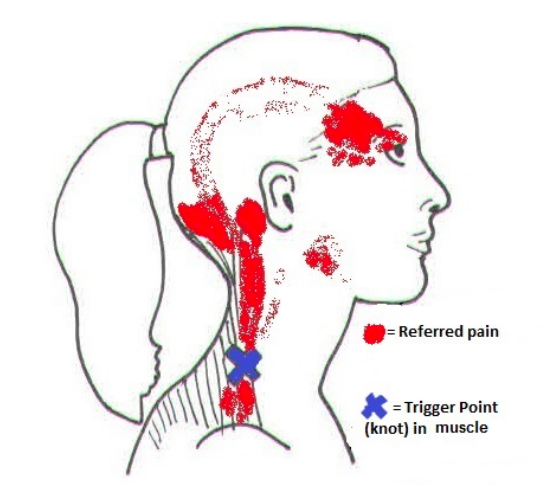
This phenomenon is called cervicogenic headache when neck problems are the primary cause, but even classic migraines can be significantly influenced by cervical spine health. The muscles at the base of your skull and upper neck—including the suboccipital muscles, upper trapezius, and levator scapulae—can develop trigger points and chronic tension that contribute to or worsen migraine episodes.
Think of your neck and head as an interconnected system. When the joints in your upper cervical spine aren’t moving properly, when muscles become chronically tight, or when your posture places excessive strain on these structures, it creates an environment where migraines are more likely to occur. Many patients at Charles Street Family Chiropractic report that their migraines are often preceded by neck stiffness or pain, or that neck discomfort accompanies their headache episodes.
The nervous system component is equally important. Your brainstem, which sits at the junction of your skull and spine, plays a critical role in regulating pain perception and vascular changes involved in migraines. When there’s mechanical stress or misalignment in this region, it can affect how your nervous system processes pain signals and responds to migraine triggers.
Common Causes and Triggers
Understanding what contributes to the neck pain-migraine cycle helps you take proactive steps toward relief. While migraine triggers vary from person to person, several factors consistently emerge as contributors, particularly those related to cervical spine health and musculoskeletal function.
Postural Stress
In our modern world, poor posture has become epidemic. Hours spent hunched over computers, looking down at smartphones, or sitting in poorly designed workspaces place enormous strain on your neck structures. This forward head posture increases the weight your neck muscles must support—for every inch your head moves forward, it adds approximately ten pounds of additional force on your cervical spine. Here in Boston, where many residents work in office environments or spend long commutes on public transportation, these postural stressors are particularly common.
Muscle Tension and Trigger Points
Chronic muscle tension in the neck, shoulders, and upper back creates a cascading effect. Tight muscles compress nerves, restrict blood flow, and develop painful trigger points that can refer pain to the head. These trigger points often form in response to stress, poor ergonomics, previous injuries, or repetitive strain. Once established, they become self-perpetuating cycles of tension and pain.
Previous Injuries
Whiplash from car accidents, sports injuries, or falls can cause lasting changes to cervical spine mechanics even years after the initial trauma. Ligament damage, joint dysfunction, and compensatory muscle patterns may not produce immediate symptoms but can set the stage for chronic neck pain and recurring migraines down the road.
Joint Dysfunction
The joints of your cervical spine, called facet joints, need to move smoothly through their full range of motion. When these joints become restricted—whether from injury, arthritis, or prolonged poor positioning—they send altered signals to your nervous system and create mechanical stress that can trigger headaches. Chiropractic care specifically addresses these joint restrictions.
Stress and Tension
Psychological stress manifests physically, particularly in the neck and shoulders. When you’re stressed, anxious, or overwhelmed, you unconsciously tense these muscles, often holding that tension for hours. This creates a fertile ground for both tension headaches and migraines, especially when combined with other physical triggers.
Sleep Position and Quality
How you sleep matters significantly. Sleeping on your stomach forces your neck into rotation for extended periods. Using pillows that are too high or too flat can strain cervical structures throughout the night. Poor sleep quality also lowers your pain threshold and makes you more susceptible to migraine triggers the following day.

How Chiropractic Care Addresses Migraines and Neck Pain
Chiropractic care offers a conservative, drug-free approach to managing migraines and associated neck pain by addressing the underlying musculoskeletal factors that contribute to these conditions. Research suggests that chiropractic care can reduce migraine frequency, intensity, and duration for many patients, particularly when neck dysfunction plays a role in their headache patterns.
At Charles Street Family Chiropractic in Boston, the approach begins with a comprehensive evaluation. This includes a detailed health history, discussion of your specific migraine patterns and triggers, postural analysis, and examination of cervical spine mobility and muscle tension. Understanding your unique presentation allows for personalized care that addresses your specific needs.
Spinal Adjustments
Chiropractic adjustments to the cervical spine aim to restore proper joint motion, reduce nerve irritation, and improve overall spinal function. These carefully applied movements help the joints of your neck move more freely, which can reduce the mechanical stress that contributes to headaches. Evidence indicates that spinal manipulation can be particularly effective for cervicogenic headaches and may provide benefits for migraine sufferers as well.
The adjustments used for migraine patients are typically gentle and specific, focusing on the upper cervical region where the neck meets the skull. These aren’t forceful manipulations but rather precise, controlled movements designed to restore normal joint mechanics without causing discomfort.
Soft Tissue Therapy
Addressing muscle tension is equally important. Chiropractors use various soft tissue techniques to release tight muscles, break up adhesions, and deactivate trigger points in the neck, shoulders, and upper back. These techniques might include massage, myofascial release, or instrument-assisted soft tissue mobilization. By reducing muscle tension, blood flow improves, nerve compression decreases, and the mechanical load on cervical joints lessens.
Postural and Ergonomic Guidance
Education plays a crucial role in long-term migraine management. Your chiropractor can evaluate your work setup, sleeping arrangements, and daily habits to identify factors that contribute to neck stress. Small adjustments to your workspace, changes in how you use technology, or modifications to your sleep environment can make significant differences in reducing migraine frequency.
Therapeutic Exercise
Strengthening the deep neck flexors and improving overall cervical stability helps your neck better handle daily stresses. Your chiropractor may prescribe specific exercises to improve posture, increase neck strength, and enhance mobility. These exercises complement in-office care and empower you to take an active role in your recovery.
Lifestyle Modification Strategies
Chiropractic care extends beyond spinal manipulation to include comprehensive wellness guidance. This might involve discussing stress management techniques, hydration habits, nutritional considerations, and other lifestyle factors that influence migraine patterns. The goal is to create an environment in your body where migraines are less likely to develop.
Practical Self-Care Tips for Managing Symptoms
While professional chiropractic care addresses underlying structural issues, there are several steps you can take at home to manage neck pain and reduce migraine frequency. These strategies work best when combined with regular chiropractic treatment.
Optimize Your Workspace: Position your computer monitor at eye level so you’re not looking down. Keep your keyboard and mouse at a height where your elbows rest comfortably at 90 degrees. Your chair should support your lower back, and your feet should rest flat on the floor. For those working from home in Boston’s often tight living spaces, even small ergonomic improvements can make substantial differences.
Practice the 20-20-20 Rule: Every 20 minutes, take a 20-second break to look at something 20 feet away. This simple habit reduces eye strain and reminds you to move your neck and shoulders, preventing the buildup of tension that comes from prolonged static postures.
Improve Your Sleep Setup: Choose a pillow that keeps your neck in neutral alignment—not too high or too flat. Side sleepers generally need a thicker pillow than back sleepers. Avoid stomach sleeping, which forces your neck into sustained rotation. Consider replacing your pillow every 12-18 months as it loses support.
Stay Hydrated: Dehydration is a common migraine trigger. Aim for adequate water intake throughout the day, not just when you’re thirsty. Keep a water bottle at your desk as a visual reminder, and pay extra attention to hydration during Boston’s hot summer months.
Manage Your Smartphone Use: Bring your phone up to eye level rather than bending your neck down to look at it. This “text neck” position places enormous strain on cervical structures. Set reminders to check your posture when using devices.
Apply Heat or Cold Therapy: Some people find relief with heat applied to tense neck muscles, while others prefer cold packs during a migraine attack. Experiment to see what works for you. Heat can relax tight muscles, while cold can reduce inflammation and numb pain.
Practice Gentle Neck Stretches: Regular, gentle stretching can maintain neck mobility and reduce muscle tension. Simple movements like chin tucks, side bending, and gentle rotation can be done throughout the day. Never stretch to the point of pain, and avoid aggressive stretching during an active migraine.
Create a Consistent Sleep Schedule: Irregular sleep patterns can trigger migraines. Try to go to bed and wake up at consistent times, even on weekends. Quality sleep supports your body’s healing processes and reduces overall migraine susceptibility.
Identify and Track Your Triggers: Keep a headache diary noting when migraines occur, what you were doing beforehand, stress levels, foods eaten, sleep quality, and any neck pain. Patterns often emerge that can help you avoid specific triggers and provide valuable information for your chiropractor.
When to See a Chiropractor
Many people wonder when it’s appropriate to seek chiropractic care for migraines and neck pain. While every situation is unique, certain signs indicate that professional evaluation and treatment could be beneficial.
Consider scheduling a consultation at Charles Street Family Chiropractic if your migraines occur more than once or twice per month, if they’re increasing in frequency or severity, or if they’re significantly impacting your quality of life. If you notice a clear connection between neck pain or stiffness and your headaches, chiropractic care may be particularly relevant to your situation.
You should also seek care if you’ve been relying heavily on pain medication to manage your headaches, especially if you’re taking over-the-counter medications more than a couple times per week. Medication overuse can actually contribute to more frequent headaches, creating a cycle that’s difficult to break without addressing underlying causes.
If you’ve experienced neck injuries—even minor ones from years ago—and subsequently developed headache patterns, the connection may be biomechanical. Previous whiplash, concussions, or falls can create lasting changes in cervical spine function that benefit from chiropractic treatment.
However, certain warning signs require immediate medical attention rather than chiropractic care. Seek emergency medical evaluation if you experience a sudden, severe headache unlike any you’ve had before (often described as a “thunderclap” headache), headache accompanied by fever, stiff neck, confusion, vision changes, difficulty speaking, numbness, or weakness. Also seek immediate care for headaches following a head injury or that progressively worsen despite treatment.
These red flags are rare but important to recognize, as they may indicate serious conditions requiring medical intervention. Your chiropractor is trained to identify these warning signs and will refer you to appropriate medical care when necessary. The vast majority of migraines and cervicogenic headaches, however, are appropriate for chiropractic management.
Treatment Approaches Comparison
| Treatment Approach | How It Works | Best For | Considerations |
|---|---|---|---|
| Chiropractic Care | Addresses spinal misalignments, muscle tension, and joint dysfunction through adjustments and soft tissue work | Migraines with neck pain component, cervicogenic headaches, patients seeking drug-free options | Requires regular visits initially; works best with lifestyle modifications; focuses on root causes |
| Medication (Abortive) | Stops migraine once started using triptans, NSAIDs, or other acute medications | Moderate to severe migraines, quick symptom relief needed | Doesn’t address underlying causes; risk of medication overuse headaches; possible side effects |
| Medication (Preventive) | Daily medication to reduce migraine frequency (beta-blockers, antidepressants, anti-seizure drugs) | Frequent migraines (15+ days per month), when other approaches haven’t worked | Takes weeks to become effective; potential side effects; requires daily compliance |
| Physical Therapy | Exercises, stretches, and manual therapy to improve neck strength and mobility | Postural issues, muscle imbalances, rehabilitation after injury | Requires active patient participation; may need multiple sessions weekly |
| Lifestyle Modifications | Changes to diet, sleep, stress management, and trigger avoidance | All migraine sufferers as foundational approach | Requires discipline and consistency; results may take time; works best combined with other treatments |
Myths vs. Facts About Migraines and Chiropractic Care
Myth: Migraines are just bad headaches that you need to tough out
Fact: Migraines are a legitimate neurological condition involving complex changes in brain chemistry, blood flow, and nerve signaling. They’re recognized by the World Health Organization as a disabling condition that deserves proper treatment. Dismissing them as “just headaches” minimizes their significant impact and prevents people from seeking appropriate care that could improve their quality of life.
Myth: Chiropractic adjustments will cure my migraines permanently
Fact: While chiropractic care has been shown to help reduce migraine frequency, duration, and intensity for many patients, it’s not a guaranteed cure. Migraines are complex conditions with multiple contributing factors, and individual responses to treatment vary. The goal of chiropractic care is to address musculoskeletal contributors to your headaches, reduce the burden of your condition, and improve your overall function—not to promise unrealistic outcomes.
Myth: If my neck doesn’t hurt, it can’t be contributing to my migraines
Fact: Cervical spine dysfunction can contribute to migraines even when you don’t experience obvious neck pain. Joint restrictions, muscle imbalances, and postural stress may not always produce noticeable neck symptoms but can still affect the nerve pathways and biomechanics involved in headache development. Many patients are surprised to discover significant tension or restriction in their neck during a chiropractic evaluation despite not having complained of neck pain.
Myth: Chiropractic neck adjustments are dangerous and can cause strokes
Fact: Serious complications from chiropractic neck adjustments are extremely rare. Research indicates that the risk of stroke following cervical manipulation is estimated at one in several million adjustments. Furthermore, studies have found no increased risk of stroke following chiropractic visits compared to visits to primary care physicians, suggesting that people with stroke symptoms may seek care shortly before the event regardless of provider type. Chiropractors are extensively trained in safe adjustment techniques and screening for risk factors.
Myth: You have to keep going to the chiropractor forever once you start
Fact: While some patients choose ongoing maintenance care because they value the benefits, initial treatment plans have specific goals and endpoints. Once your condition stabilizes and you’ve learned self-management strategies, many patients reduce visit frequency or transition to periodic check-ups. The choice to continue care is always yours based on your personal health goals and how you respond to treatment.
Myth: Migraines are caused by stress, so physical treatments won’t help
Fact: While stress is a common migraine trigger, it’s rarely the only factor. Most migraines result from multiple contributing elements including biomechanical issues, muscle tension, postural stress, sleep quality, and yes, psychological stress. Addressing the physical components through chiropractic care can reduce your overall migraine threshold, making you less susceptible to stress-triggered episodes. Mind and body are interconnected—improving one often benefits the other.
Final Thoughts from Charles Street Family Chiropractic
Living with migraines and chronic neck pain doesn’t have to be your reality. While there’s no single solution that works for everyone, addressing the musculoskeletal factors that contribute to your headaches through chiropractic care offers a safe, effective, drug-free option that gets to the root of the problem rather than just masking symptoms.
Here in Boston, we understand the demands our patients face—the fast-paced work environments, the long commutes, the stress of daily life in a bustling city. At Charles Street Family Chiropractic, we’re committed to helping you find relief so you can get back to enjoying everything Boston has to offer without the constant worry of when your next migraine will strike.
If you’ve been struggling with migraines, especially if you notice they’re connected to neck pain or stiffness, we encourage you to explore how chiropractic care might help. Every patient’s journey is different, and finding the right combination of professional care, self-management strategies, and lifestyle modifications takes time and patience. But for many people, addressing cervical spine health becomes a turning point in finally gaining control over their migraines.
Remember, you don’t have to accept frequent migraines as an unchangeable part of your life. With the right approach and support, meaningful improvement is possible. We’re here to help you discover what works for your unique situation and support you every step of the way toward better health and fewer headaches.
Frequently Asked Questions
How many chiropractic treatments will I need before my migraines improve?
Response varies by individual, but many patients notice some improvement within the first 4-6 visits. Research suggests that a trial of 8-12 treatments over several weeks is reasonable to evaluate effectiveness. Some people experience rapid relief while others require longer treatment periods, depending on chronicity, severity, and contributing factors. Your chiropractor will discuss expected timelines during your initial consultation.
Can chiropractic care help if I’ve had migraines for many years?
Yes, even chronic migraine sufferers can benefit from chiropractic care, though improvement may be more gradual than with more recent conditions. While long-standing migraines may have more complex contributing factors, addressing cervical spine dysfunction and muscle tension can still reduce frequency and severity. The key is having realistic expectations and committing to a comprehensive treatment plan that may include multiple approaches.
Will I need to stop my migraine medications if I start chiropractic care?
No, you should never stop prescribed medications without consulting the physician who prescribed them. Chiropractic care can work alongside medical treatment. Many patients find that as their condition improves with chiropractic care, they naturally require less medication, but any changes to medication should be discussed with and supervised by your prescribing doctor.
Is chiropractic care safe during a migraine attack?
Many patients find gentle chiropractic treatment helpful even during a migraine, though the approach may be modified to be extra gentle. However, some people prefer to wait until the acute phase passes. Communication with your chiropractor about your current symptoms allows treatment to be adjusted to your comfort level. The goal is always to provide relief, never to increase discomfort.
What’s the difference between a migraine and a cervicogenic headache?
Cervicogenic headaches originate from neck structures and are caused by cervical spine problems, though they can produce symptoms similar to migraines. True migraines involve complex neurological processes beyond just neck dysfunction. However, many migraine sufferers also have cervical spine issues that contribute to or trigger their headaches. The distinction matters less than identifying all contributing factors—which thorough chiropractic evaluation helps accomplish.
Can poor posture really cause migraines, or just neck pain?
Poor posture creates mechanical stress on cervical structures, increases muscle tension, and can irritate nerve pathways involved in headache generation. While posture alone may not directly cause migraines, it significantly contributes to the musculoskeletal dysfunction that makes migraines more frequent and severe. Addressing postural issues is an important component of comprehensive migraine management and often provides noticeable benefits.
TL;DR – Key Takeaways
- Migraines and neck pain are frequently connected through shared nerve pathways and cervical spine dysfunction that can trigger or worsen headache episodes
- Chiropractic care addresses underlying musculoskeletal contributors through spinal adjustments, soft tissue therapy, postural correction, and lifestyle guidance rather than just masking symptoms with medication
- Common contributing factors include poor posture, muscle tension, previous injuries, joint restrictions, stress, and inadequate sleep—many of which respond well to conservative chiropractic treatment
- Self-care strategies like optimizing workspace ergonomics, improving sleep position, staying hydrated, and managing smartphone use complement professional care and support long-term migraine management
- While chiropractic care can significantly reduce migraine frequency and severity for many patients, it works best as part of a comprehensive approach tailored to your individual triggers and contributing factors