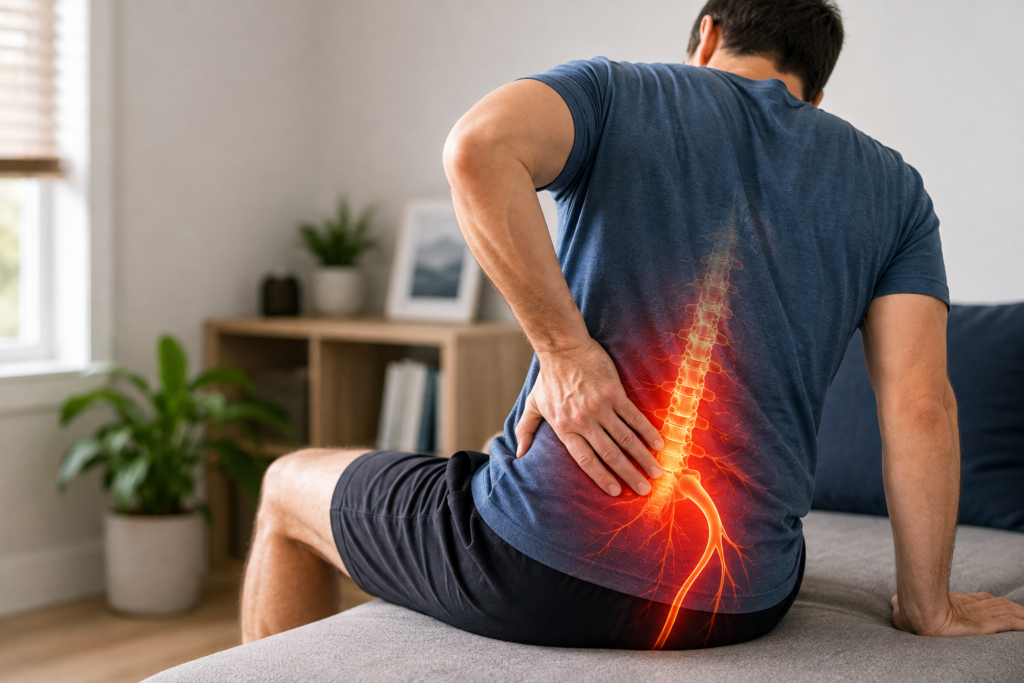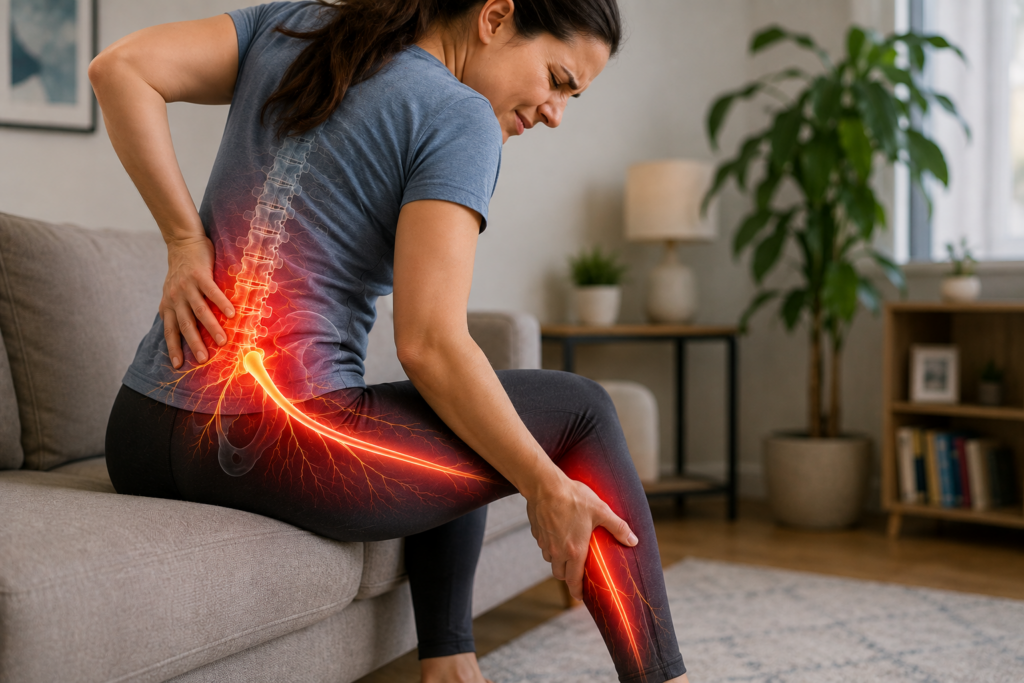


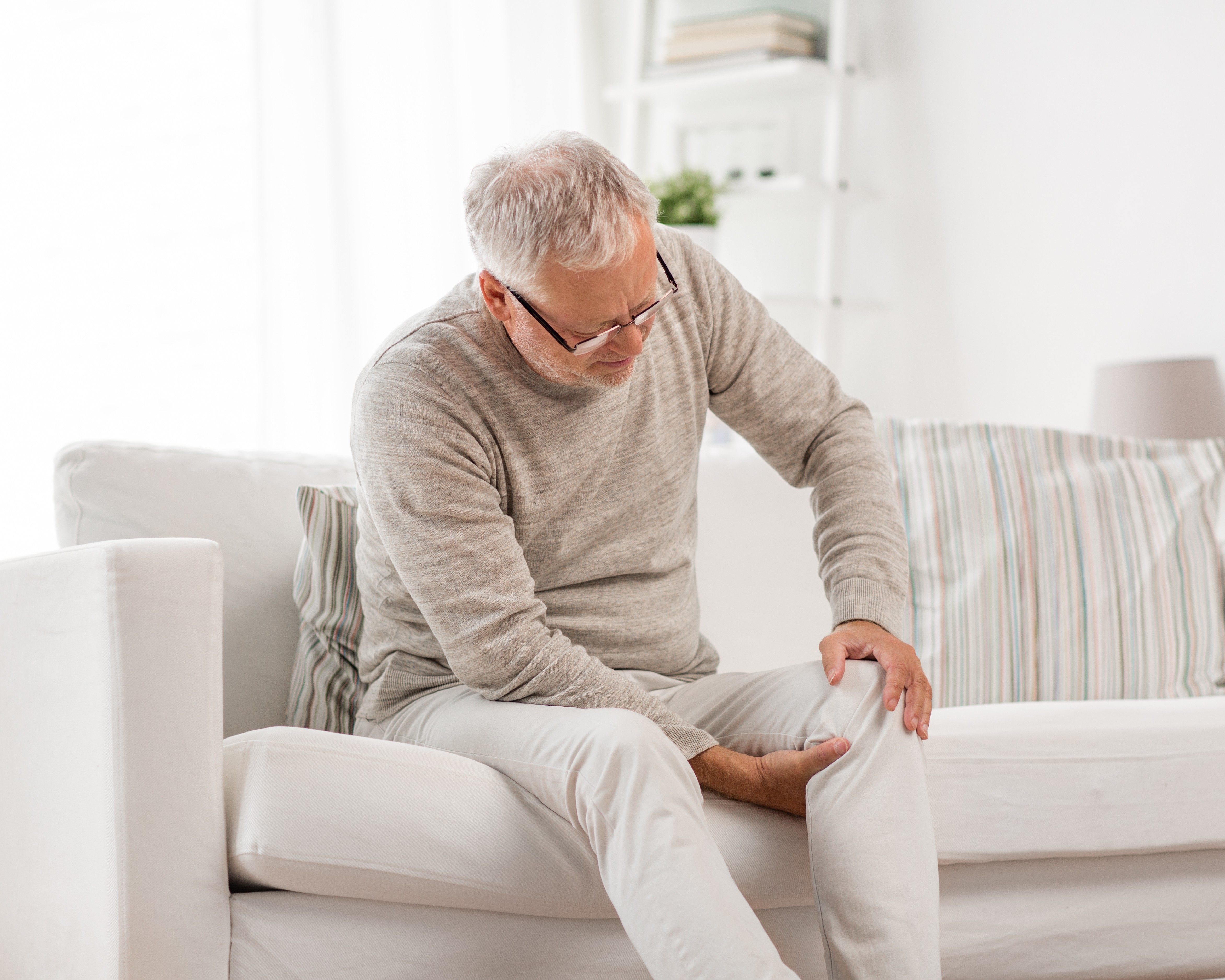
Knee pain is one of the most common complaints I hear from patients here in Boston, especially as we get into our 50s, 60s, and beyond. Whether it’s a dull ache after a long walk along the Charles River or sharp discomfort climbing the stairs at home, knee pain has a way of quietly reshaping your daily life. The good news is that knee pain in older adults is not something you simply have to accept. Understanding what’s happening in your joints — and knowing what you can do about it — can make a meaningful difference in how you feel and how you move.
What is knee pain in older adults?
Knee pain in older adults refers to discomfort, stiffness, swelling, or reduced range of motion in the knee joint that becomes more common with age. It can result from gradual wear on the cartilage, changes in joint mechanics, muscle weakness, or underlying conditions like osteoarthritis. While aging does affect joint tissue, pain and immobility are not inevitable parts of getting older.
Why Knees Change as We Age
The knee is one of the most complex joints in the human body. It bears the weight of everything above it and absorbs the impact of virtually every step you take. Over decades of use, the structures inside and around the knee naturally experience changes. These changes don’t have to mean pain, but they do mean the joint needs more conscious care and attention.
Cartilage, the smooth tissue that cushions the ends of the bones in the knee, tends to thin gradually over time. As it does, the cushioning effect it provides decreases, and bone-on-bone stress can increase. The synovial fluid inside the joint, which keeps things lubricated and moving smoothly, can also decrease in quality and quantity with age. Surrounding muscles — particularly the quadriceps at the front of the thigh — often weaken over time if they’re not actively maintained, which shifts more mechanical stress onto the joint itself.
Tendons and ligaments can become less flexible, too. This can affect how well the joint tracks during movement and contribute to both pain and instability. The hip joints and lower back also play a significant role in how the knee moves. When alignment is off elsewhere in the body, the knee is often the structure that compensates — and eventually, that compensation creates problems.
Common Causes of Knee Pain in Older Adults
Osteoarthritis is the most frequently diagnosed cause of knee pain in older adults. It involves the gradual breakdown of cartilage within the joint and is associated with stiffness, particularly in the morning or after prolonged sitting. It develops slowly, often over many years, and affects both men and women, though it tends to be more prevalent in women after age 50.
Beyond osteoarthritis, there are several other contributing factors that Christopher Quigley, D.C., C.C.S.T., F.P.S.C., commonly sees in patients at Charles Street Family Chiropractic here in Boston. These include patellar tracking issues, where the kneecap doesn’t glide smoothly in its groove; bursitis, which is inflammation of the small fluid-filled sacs around the knee; and tendinitis, particularly of the patellar tendon. Each of these can be influenced by posture, gait patterns, foot mechanics, and the alignment of the hips and pelvis.
Prior injuries also deserve mention. An old knee sprain, a meniscus issue, or a sports-related strain from decades ago can resurface as aching or stiffness in later years. The body often compensates well for a long time, but eventually those old patterns can create new symptoms. Sedentary behavior is another major contributor — extended periods of inactivity allow the supportive muscles around the knee to weaken, reducing the joint’s stability and resilience.
Signs and Symptoms to Pay Attention To
Knee pain in older adults can present in many different ways, and the specific character of the discomfort often gives useful clues about its origin. A grinding or crunching sensation during movement — sometimes called crepitus — is often associated with cartilage changes. Swelling after activity typically suggests some degree of joint irritation or inflammation. Pain that is worse after sitting for a long time and improves slightly with gentle movement is a hallmark of osteoarthritis.
Stiffness in the morning that gradually eases within about 30 minutes is another common pattern in age-related knee changes. If morning stiffness lasts significantly longer than that and is accompanied by warmth, redness, and significant swelling, it’s worth discussing with a healthcare provider, as those patterns can indicate other conditions that need specific evaluation.
Pain on the inside or outside of the knee often points to issues with the structures on those specific sides of the joint, while pain beneath or around the kneecap can relate to patellar tracking or the tendons in that area. A general sense of weakness, giving way, or instability in the knee is something that warrants careful evaluation, as it can increase the risk of falls — a significant concern for older adults.
How Chiropractic Care at Charles Street Chiropractic Fits Into Knee Health
Chiropractic care offers a non-surgical, drug-free approach to supporting knee health that many older adults in Boston find helpful. At Charles Street Family Chiropractic, Dr. Chris takes a whole-body perspective when evaluating knee pain. That means looking not just at the knee itself, but at how the foot, ankle, hip, pelvis, and spine are all functioning together — because these structures are mechanically linked.
When alignment in the pelvis or hips is off, the forces traveling through the knee during walking are altered. Over time, these altered forces contribute to uneven wear and increased irritation. Chiropractic adjustments to the spine, pelvis, and — where appropriate — the knee joint itself can help restore more optimal alignment and movement patterns. Evidence published in journals focused on musculoskeletal health suggests that manual therapy approaches, including chiropractic care, can be beneficial components of conservative knee pain management, particularly for osteoarthritis-related symptoms.
In addition to manual adjustments, we incorporate cold laser therapy, magnetolith therapy, shockwave therapy, foot orthotics, soft-tissue work, movement guidance, and rehabilitative exercise recommendations. The goal isn’t to replace other aspects of your healthcare — it’s to provide a conservative, hands-on layer of support that helps your body move better and feel better. Dr. Quigley works alongside patients, not just on them, helping individuals in the Boston area understand their bodies and make informed decisions about their joint health.
Practical Tips for Protecting Your Knee Joints
One of the most important things you can do for your knees is to keep moving. This might sound counterintuitive when your knees are hurting, but gentle, consistent movement is genuinely one of the best things for joint health. Cartilage receives its nutrients through movement — it doesn’t have a direct blood supply, so it depends on the pumping action of compression and decompression during activity to stay nourished. Low-impact activities like walking, swimming, and cycling are excellent choices for older adults looking to protect their knees while staying active.
Strengthening the muscles around the knee — particularly the quadriceps and hamstrings — provides the joint with better support and reduces the mechanical load on the cartilage and other structures. Even gentle exercises done consistently over time can make a noticeable difference. Before starting a new exercise program, especially if you have significant knee pain, it’s always wise to consult a qualified professional to ensure the movements are appropriate for your specific situation.
Footwear greatly contributes to knee health. Supportive, well-fitting shoes with appropriate cushioning help absorb impact before it reaches the knee. If you have flat feet or other foot mechanics concerns, custom orthotics may be worth discussing with your care provider. Maintaining a healthy body weight also plays a meaningful role in knee health — research suggests that even modest reductions in body weight can significantly decrease the load placed on the knee joint with each step.
Paying attention to your posture and movement during everyday activities is another practical strategy. How you sit, how you rise from a chair, and how you navigate stairs all affect the forces that pass through your knee. Small, consistent habit adjustments add up over time and can help slow the progression of discomfort.
When to See a Chiropractor for Knee Pain
If knee discomfort has been lingering for more than two to three weeks, or if it’s starting to affect your ability to do the things you enjoy — whether that’s walking through Boston’s neighborhoods, gardening, or keeping up with grandchildren — that’s a good time to seek an evaluation. You don’t need to be in severe pain to benefit from chiropractic care. In fact, earlier intervention tends to lead to better outcomes by addressing contributing factors before they become more entrenched patterns.
At Charles Street Family Chiropractic, Dr. Chris is experienced in evaluating the full musculoskeletal picture and determining whether chiropractic care is appropriate or whether additional referrals may be needed. Most cases of age-related knee pain respond well to conservative care, and chiropractic is a natural first step for many people seeking non-invasive options.
There are, however, certain symptoms that warrant prompt medical attention rather than — or alongside — chiropractic evaluation. These include sudden, severe swelling; significant trauma or injury to the knee; inability to bear weight; locking of the joint; or signs of infection such as fever combined with a hot, red, and swollen joint. In those cases, getting a timely medical evaluation is the right priority.
Knee Pain: Common Triggers vs. Relief Strategies
|
Common Trigger |
Why It Contributes to Pain |
Recommended Relief Strategy |
|---|---|---|
|
Prolonged sitting |
Stiffens the joint and reduces circulation to the cartilage |
Take regular movement breaks; gentle range-of-motion exercises |
|
Weak quadriceps |
Increases load on knee joint structures |
Consistent low-impact strengthening exercises |
|
Poor footwear |
Alters gait mechanics and increases joint stress |
Supportive, well-cushioned shoes; possible orthotics |
|
Hip or pelvis misalignment, leg length imbalances |
Changes force distribution through the knee |
Chiropractic evaluation and alignment care |
|
Excess body weight |
Multiplies compressive forces on the joint |
Gradual, sustainable weight management with professional guidance |
|
High-impact activities without conditioning |
Overloads the joint and surrounding tissues |
Transition to low-impact activities; build up gradually |
Myths vs. Facts About Knee Pain and Aging
Myth: Knee pain is just a normal part of getting older that you have to live with.
Fact: While age-related changes in joints are real, chronic pain and significant disability are not inevitable. Many older adults maintain excellent knee function with appropriate care, movement, and support. Accepting pain as unavoidable often prevents people from seeking help that could genuinely improve their quality of life.
Myth: If your knees hurt, you should rest and avoid exercise.
Fact: Complete rest is rarely the best approach to chronic knee pain. Gentle, appropriate movement is actually essential for joint nutrition and muscle maintenance. The key is choosing the right type and intensity of activity — which a qualified chiropractor or healthcare provider can help you determine.
Myth: Chiropractic care is only for back and neck pain.
Fact: Chiropractic care addresses the entire musculoskeletal system, including the knees, hips, ankles, and shoulders. Chiropractors are trained in the evaluation and conservative management of extremity joints as well as the spine. Dr. Quigley regularly helps patients at Charles Street Family Chiropractic with knee and hip concerns, as well as spinal care.
Myth: Surgery is the only real solution for knee arthritis.
Fact: Many people with knee osteoarthritis manage their symptoms effectively with conservative, non-surgical approaches including exercise, weight management, manual therapy, and lifestyle modifications. Surgery may be appropriate in some cases, but most clinical guidelines recommend exhausting conservative options first. Organizations such as the American College of Physicians emphasize non-pharmacological approaches as a first-line strategy for managing osteoarthritis.
Myth: Cracking or popping in the knee always means serious damage.
Fact: Sounds in the knee — known as crepitus — are extremely common and are often simply the result of gas bubbles in joint fluid or tendons moving over bony prominences. While persistent crepitus accompanied by pain or swelling is worth evaluating, popping or cracking alone without other symptoms is usually not a sign of serious structural damage.
Final Thoughts
Knee pain doesn’t have to define how you experience your life here in Boston. Whether you’re trying to keep up your morning walks through the Public Garden, stay active with family, or simply get through your day without discomfort, there are real, evidence-informed steps you can take to support your knee health — at any age.
At Charles Street Family Chiropractic, Dr. Chris is committed to helping patients in the Boston, MA community understand their bodies and find lasting relief through personalized, conservative care. We take the time to look at the whole picture — not just the joint that hurts, but all the interconnected systems that influence how it functions. If knee pain has been slowing you down, we’d love to be part of your path forward.
You deserve to feel good in your body. And with the right support, that’s absolutely within reach.
Frequently Asked Questions About Knee Pain in Older Adults
Is it safe for older adults to receive chiropractic care for knee pain?
Yes, chiropractic care is generally considered a safe and gentle option for older adults when provided by a qualified practitioner. A thorough evaluation is always done first to ensure care is appropriate for each individual’s health history and condition.
How many chiropractic visits does it typically take to see improvement in knee pain?
This varies depending on the underlying cause, the severity of the condition, and how long the problem has been present. Some patients notice meaningful improvement within several visits, while others benefit from a longer course of care. Dr. Quigley will discuss realistic expectations with you during your evaluation at Charles Street Family Chiropractic.
Can chiropractic care help with knee pain caused by osteoarthritis?
Evidence suggests that manual therapy, including chiropractic care, can be a helpful component of managing osteoarthritis-related knee pain. It is not a cure for osteoarthritis, but it can support better joint mechanics, reduce discomfort, and improve function when combined with appropriate lifestyle strategies.
Should I apply ice or heat to a sore knee?
Ice is generally helpful for acute inflammation or swelling — particularly after activity that has irritated the joint. Heat may be more appropriate for chronic stiffness. Your chiropractor can give you specific guidance based on what’s happening with your knee.
Does knee pain always indicate arthritis?
No — knee pain in older adults can stem from many different causes, including bursitis, tendinitis, patellar issues, muscle weakness, or referred pain from the hip or lower back. A proper evaluation is important to identify the actual source of the problem.
Can poor posture or spinal alignment actually affect my knees?
Absolutely. The spine, pelvis, hips, and knees are all mechanically connected. Misalignment or dysfunction at one level of the kinetic chain can affect how forces are transmitted through the knee during everyday movement. This is one reason why Dr. Quigley evaluates the full body rather than focusing solely on the painful area.
TL;DR — Key Takeaways
-
Knee pain in older adults is common but not inevitable — understanding its causes is the first step toward managing it effectively.
-
Osteoarthritis, muscle weakness, poor alignment, and past injuries are among the most frequent contributors to knee pain in this age group.
-
Chiropractic care offers a conservative, whole-body approach that addresses not just the knee but also the hip, pelvis, and spinal mechanics that influence it.
-
Gentle movement, supportive footwear, and muscle strengthening are practical, everyday strategies for long-term joint health.
-
If knee pain is affecting your quality of life, reaching out to the team at Charles Street Family Chiropractic in Boston, MA is a great place to start.