Understanding Thoracic Kyphosis: Causes, Symptoms, and Treatment
Thoracic kyphosis is a condition where the upper back develops an abnormal forward curve, leading to a rounded or hunched appearance. The thoracic spine, located in the mid-back, naturally has a gentle curve, but when this curve becomes excessive—typically more than 50 degrees—it results in thoracic kyphosis. This condition is often visibly recognized as a “humpback” or “dowager’s hump” and can significantly affect posture, mobility, and overall health.
Thoracic kyphosis can occur due to various factors. One of the most common causes, especially among teenagers, is poor posture. Slouching or sitting for long periods with improper posture can stretch and weaken the back muscles, leading to an exaggerated curve in the thoracic spine. Another common cause, particularly in adolescents, is Scheuermann’s disease. This condition results in a more rigid and angular curve, as the vertebrae in the thoracic spine grow unevenly, causing them to wedge together and create a pronounced curve. In older adults, weakened bones due to osteoporosis can cause vertebrae to collapse or compress, resulting in a more severe curve. This is sometimes referred to as age-related kyphosis or “dowager’s hump.” Additionally, congenital kyphosis is a rare form of the condition where an individual is born with an abnormal spinal structure that leads to kyphosis. Spinal infections or tumors, as well as trauma affecting the spine, can also contribute to the development of thoracic kyphosis.
The most noticeable symptom of thoracic kyphosis is a rounded or hunched back. Those affected may also experience back pain or stiffness, along with muscle fatigue, especially after standing or sitting for long periods. Some individuals may find it difficult to stand or sit upright for extended periods, and in severe cases, breathing difficulties may arise due to reduced lung capacity. While mild kyphosis may not cause significant problems, severe cases can severely impact movement and overall quality of life.
Treatment for thoracic kyphosis depends on the severity of the condition and its underlying cause. For postural kyphosis, chiropractic care and exercises aimed at strengthening the back muscles, along with postural corrections, are often effective.
In conclusion, thoracic kyphosis is a condition that can affect people of all ages. Early intervention and appropriate treatment can help manage symptoms and prevent progression. If you are experiencing thoracic kyphosis, please call Charles Street Family Chiropractic at 617-720-1992 to see how we can help you today!
“I was majoring in chemistry at Villanova University when my path turned to chiropractic. I was going on interviews to be a pharmaceutical sales representative, and they always asked me what I wanted to be doing in five years. My answer was always the same: “I want to be helping people, enjoying my work, while making a difference.”
A March 2006 biomechanical study published in Spine provides an important piece of that puzzle. Researchers Manohar Panjabi, Travis Maak, Paul Ivancic, and Shigeki Ito investigated what happens to the cervical intervertebral foramina during a simulated rear impact. These openings are critically important because cervical nerve roots and associated neural structures pass through them.
This enormous 2025 study found that patients with sciatica who initially received chiropractic spinal manipulation had a 32% lower relative risk of receiving an oral opioid prescription and a 71% lower relative risk of an opioid-related adverse drug event during the following year compared with matched patients receiving usual medical care.
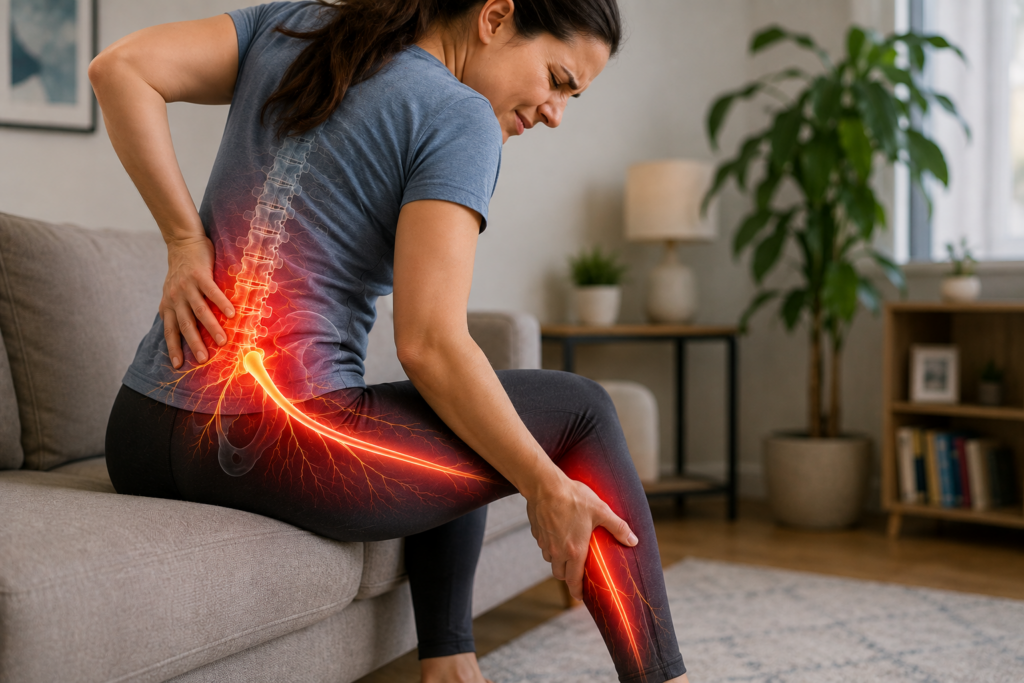
If you’ve ever experienced sciatica, you know it isn’t simply “a sore back.” The burning, shooting, electric pain traveling from your lower back into your
Extremely welcoming and accommodating to all ages and comfort levels. They handled my family with great care and never forget a detail. Incredible experience and freed my of back pain I have had for years. I can pick up my children first thing in the morning
I had a great experience with Dr. Kelly. The examination was very thorough, and she took the time to explain everything clearly and comprehensively. She was professional, knowledgeable, friendly, and made the whole visit feel very comfortable.
The Office Integrators were also very nice, helpful, and easygoing, which made the overall experience even better. The whole office has a welcoming and relaxed atmosphere, and I really appreciated the care and attention throughout my visit.
I've been going to Dr.Quigley, at Charles street, family, Chiropractic, for 34 years, under doctor quigley's care i am 70, but my body like it's 40. To all the years there were times where I could hardly straighten out my lower back.And with a few adjustments , I walked out of their feeling like brand new. No one has to walk around with back pain or neck pain etc. That is not quality of life, I highly recommend Chiropractic treatment.
I came to CSFC with neck, shoulder & arm pain due from working on my computer at home. Within time, I improved my range of motions in my neck and no longer struggle for a good night's rest. Something I have not been able to do in weeks. Goal: Continue services to greater improve the alignment of my spine as a preventive care along with other wonderful benefits. Check them out!
Great team, and I would highly recommend.
Thanks Dr. Chris & Dr. Kelly
Wonderful experience nice place all employees are friendly and Doctor Christopher is amazing and very knowledgeable about all of the issues that I have he is very experienced and explains everything to me is a great resource and he has a wonderful team all of them are the best I has been only in three sessions and I can feel the difference on my back pain I feel amazing this is a place that I sure would recommend it to anyone who is interested and looking for a Chriropractic specialist in Boston with the best team.
Thorough assessment and exams! Postural, weight bearing, trays, ROM readings. And crash experts. I came here post car accident, and Dr Chris and Dr Kelly have helped some of my chronic issues!. Have recommended to family. Great, friendly practice, that develops a program with tools and techniques to work with you.
I am a huge fan of this chiro office and everyone that works here! I started going to CSFC back in November after getting a free posture assessment at an event. I had been trying to fix my bad posture for a while and starting seeing (and feeling!) results shortly after beginning my treatment plan. We're far into the treatment plan now and I intend on coming back regularly even after I finish. I noticed I can walk longer, work with less pain, and sleep better due to my adjustments and exercises. I have had a history of injuries and they are very accommodating and meet you where you are on your health journey. The office is super flexible and caring. I cannot recommend them enough!
I've had an excellent experience with this chiropractor. From my first appointment, they took the time to listen to my concerns, thoroughly explain my treatment plan, and make sure I felt comfortable throughout the process.<br><br>What stands out most is the genuine care and attention I receive at every visit. I never feel rushed, and I always leave feeling better than when I arrived. I highly recommend this practice to anyone looking for knowledgeable, compassionate, and effective chiropractic care.
I’m still a new patient, but I’ve been really impressed with my experience so far. I first heard about Charles Street through my gym, F45, when they came in to do free posture checks, and I’m so glad I decided to follow through and make an appointment.<br><br>I’ve been to chiropractors in the past, and my first visit there compared to my first visit here is night and day. They took X-rays, spent a lot of time talking with me, and Rosa and Dr. Kelly explained everything thoroughly and clearly.<br><br>I know I still have some work to do before I start seeing major improvements, but after just my first three appointments, I already feel confident that I’m in the right place to get the results I’m looking for. I would absolutely recommend them to anyone looking for chiropractic care, whether it’s for post-injury recovery or simply improving overall quality of life.
Super friendly, professional, and passionate team. Just met them for a complimentary screening at Healthworks and they were so helpful. See you soon!!!
Charles Street Chiropractic is a necessary part of keeping up your health particularly regarding your spine and nervous system.<br>Highly recommend Dr Chris and his team!
Came here for my first ever Chiropractor visit and I refuse to go anywhere else! This is a talented, professional, and kind team. Whether its your first time or your a frequent flyer, the whole team makes the experience comfortable and educational. Whenever I have concerns or questions, they address them right away with no hesitations. My migraines have improved and so has the rest of my alignment and aches and pains. Highly recommend!
Love this place! It feels like a family every time you come in. I was so skeptical of going to a chiropractor but they have helped me get rid of some of my neck pain and I have such a better range of emotion. The staff are incredible and so nice. It’s one of my favorite parts of my week! Highly recommend.
Can't say enough good things about this clinic! I have recurring back pain from sports, and I thought it was just normal but Dr. Quigley is so thorough and patient! If you're hesitant, definitely give them a try first.
Had a great experience at Charles Street Family Chiropractic! Dr. Chris and the team are welcoming, professional, and really take the time to listen. I always leave feeling better and well taken care of. Highly recommend!
Ever since i started coming to Charles Street Family Chiropractic, I’ve had significant relief in my neck and back pain. I have so much more movement in my neck and can finally sleep comfortably through the night. The staff is incredible and I always enjoy my visits!
everybody are very professional but at the same time very nice and kind treating people who suffer physically , including myself, very nicely and in a relaxing way. i would recommend big time to everyone. special note for Dr Kelly , super professional !
Wonderful staff helping so many people. My pain has diminished since I first started after a car accident. I have better mobility, range of motion and posture post accident damage. They are very accommodating no matter whether you are running late, need help moving positions, need a different treatment, whatever. I highly recommend cold laser for pain & inflammation reduction (my favorite treatment). Drs. Chris & Kelly are terrific, as are the front office staff!
Love coming here - it is like a second family! Everyone is so kind, and they really explain your case to you, educate you on how a healthy spine looks like, and then build a solid plan to get you there. This is my weekly routine, coming here, feeling better, feeling happy. Join us!
Dr. Kelly and the team are thorough and supportive throughout the whole process. I am grateful for their attentiveness and willingness to help with a comprehensive assessment and evaluation.
I’ve been a patient here for several years and have always had a great experience. Dr. Chris and Dr. Kelly are amazing! The chiropractors are knowledgeable, caring, and really take the time to listen. I consistently get relief from the pain in my neck and shoulders after my visits. The staff is consistently friendly and welcoming, which makes every visit comfortable. They make you feel like family. I highly recommend this office to anyone looking for a chiropractor who genuinely cares about their patients.
Great service and location. The team is really efficient and focused on treatment and education. As a part of the service you get some take home tools to aid with stretching and other exercises that have been helpful. I've been going for a number of months and highly recommend.
I had extreme pain in my neck & shoulders. After seeing Dr. Chris 4 times my pain had gone away and I was able to work pain free. Dr. Chris provided me a variety of at home exercises to free up my discs in my back that had been locked up. I have been pain free for the last 6 or 9 months and was able to continue working my job with Boston Duck Tours.
I can’t say enough great things about Charles Street Family Chiropractor. When I first came in, I was in serious pain and was being told that surgery might be my only option. Walking was difficult, and my quality of life had taken a huge hit.<br>Thanks to their care, professionalism, and personalized treatment plan, I was able to avoid surgery completely. Not only am I pain-free, but I’m also walking normally again and feeling better than I have in a long time. The staff truly listens, explains everything clearly, and genuinely cares about your recovery, not just quick fixes.<br>If you’re dealing with pain and feel like you’re running out of options, I highly recommend Charles Street Family Chiropractor. They gave me my mobility and confidence back, and I’m incredibly grateful for the results.
I came to CSFC with neck, shoulder & arm pain due from working on my computer at home. Within time, I improved my range of motions in my neck and no longer struggle for a good night's rest. Something I have not been able to do in weeks. Goal: Continue services to greater improve the alignment of my spine as a preventive care along with other wonderful benefits. Check them out!<br><br>Great team, and I would highly recommend.<br><br>Thanks Dr. Chris & Dr. Kelly
I have been coming to Charles Street Family Chiropractic for about eight months and cannot say enough good things about them. I own a home in the North End and had a bit of prior experience with other local chiropractors that I was not happy with so I didn’t know what to expect coming into this office. Needless to say, they set the standard HIGH. At my first appointment, they did x-rays along with a multitude of other range of motion tests, etc. to get a base level of where I was at. They also had me fill out a lot of paperwork and then we went over everything in my paperwork. They are extremely thorough! At the second appointment, we went over what my X-rays showed, where my bones should be (optimally), my plan of action and what I would need to do to achieve my goals (which includes simple at home exercises).<br><br>They explain everything in layman’s terms. They are easy to work with and very understanding. They are super flexible with appointments, which is so appreciated given how hectic life can be sometimes. They also do periodic progress exams, which include X-rays and some additional paperwork to see how you are doing. They actually care to see that you are improving and don’t just want to string you along for more appointments than necessary just to make more money. They have a super easy check-in process every time you come for an appointment - you just scan your card and start your warm-up exercises. There’s no sitting around and waiting to get checked in. Once you’re done with your warm-up exercises, you lay on an open table and as soon as a chiropractor is available, they’re able to start your adjustment. You’re in and out of there so much faster than a typical appointment.<br><br>Everyone in the office is so friendly, kind, and compassionate. Mary, Elizabeth, Erin, and Paris at the front desk are always smiling and happy to chat. Dr. Kelly and Dr. Chris are the absolute best!! They can tell just by feel what spots are bothering me before I even tell them. I love coming in to get adjusted because I know I’m always going to leave feeling better than when I came in. Also, I highly suggest looking into the pressure wave - Elizabeth does such a great job with it!<br><br>For as long as I’m living in Boston, I will always come to Charles Street Family Chiropractic - they are worth the walk over from the North End! I can promise you, you will not find a better chiropractic office with better doctors and staff! They are truly the best and will help your body feel so much better (and boost your spirits, too)!
I've been coming here a few weeks now, and it's already making a significant difference in my life. The tightness and stiffness in my lower back has lessened and my posture is improved. After the first check-in, the appointments for routine adjustments are short. I never have to wait, so I can get in and out in 20 minutes. All the staff are kind and the office is clean.
Came in with lower back pain and neck pain, after 3 sessions, I am seeing relief with little to no pain. I would recommend this practice to anyone! Staff is kind and professional.
Seeing a chiropractor was the best decision I made for my body. Dr. Kelly and Dr. Quigley are the Best!! The staff is amazing and I can’t recommend them enough.
I've been going here for over a year now. And I feel more energized and more aligned, and the staff and doctors are excellent in communicating and understanding their clients.I recommend this sight to everyone.
Charles Street Family Chiropractic is simply the best spot for you to start feeling better. I was in an accident two months prior to my first visit and was in a lot of pain. Dr. Chris, Dr. Kelly and team do an amazing job of handling your care. They not only treat you, but provide feedback on PT exercises, and give you the knowledge of what happing with your progress. If you are looking for patience, warmth, high quality care, and results then look no further.
They are the best! Dr. Chris and Dr. Kelly are so personable and great. Their treatment plans and exercises have really improved my neck and back pain and overall every day life.
I came to Charles Street Family Chiropractic originally for ongoing shoulder pain and posture issues, but I had no idea how much of the discomfort I was feeling — fatigue, stomach discomfort, even my energy levels — was connected to my nervous system. They didn’t just treat the pain, they educated me in a way no one had before.<br><br>I felt relief immediately, but the real long-term impact came from the at-home exercises and tools they gave me. They don’t just adjust you and send you on your way — they make sure you understand what’s happening in your body and how to take care of yourself in between visits. I literally travel with the chiropractic pillow they recommended! They’ve completely changed the way I support my body day-to-day.<br><br>They’ve become my first stop after a long flight, a workout tweak, or even just when my posture’s gone off from too much laptop time. I can’t recommend them enough if you want care that’s both highly effective and empowering.
Drs Chris and Kelly and the staff, Mary, Elizabeth, and Rosa at Charles Street Family Chiropractic are a wonderful team who have worked to help me heal. I had a terrible fall causing a compression fracture in my lower back. For more than one year, I did not feel better, I could not stand up straight, or walk more than one block. I tried everything including a kyphoplasty, cortisone injections, an ablation, physical therapy, aquatherapy, acupuncture, dry needling, and cupping Nothing worked. Finding Dr. Chris changed my life! The decompression machine coupled with the wobble chair, neck stretches, posture hat and the adjustments have given me hope that I will be able to resume my lifestyle before the fall. Thank you all at Charles Street Family Chiropractic!
Dr. Chris and Dr. Kelly have been an amazing help while I’ve been healing from my car accident! My recovery has been long but with the Charles Street Family Chiropractic team following along with me I have felt supported and well taken care of the whole time! I am so grateful for them!
I really like the clinic and the doctors. From my very first visit, I asked a lot of critical questions, and both doctors were able to respond thoroughly and clearly — which really demonstrated their professionalism. The service has always been warm and welcoming. In just one month, with three visits per week and regular exercises and adjustments, we improved my neck curvature from -10 degrees to 30.5 degrees (with 45 degrees being the ideal). I'm very happy with both the results and the care I received. I highly recommend giving them a try — see how they work and whether it’s the right fit for you! Thank you very much for work that you doing!